June 16, 2026
Imagine stepping into the shower on a freezing Northwest Illinois morning, only to be blasted by ice-cold water. It is a jarring reality nobody wants to experience. Hot water is an essential convenience we rely on daily, yet the appliance producing it is often the most neglected mechanical system in our homes. Tucked away in a dark basement or utility closet, your water heater works silently around the clock. Most homeowners only call local plumbers when hot water suddenly stops or a leak floods the floor. However, understanding how this vital appliance operates can save you from unexpected cold showers, severe water damage, and costly emergency repairs. At Toni's Plumbing Service, Inc, we believe an informed homeowner is an empowered homeowner. Let us explore the mechanics of your water heater, why it matters to your routine, and how to keep it running smoothly.
The Anatomy of Your Water Heater
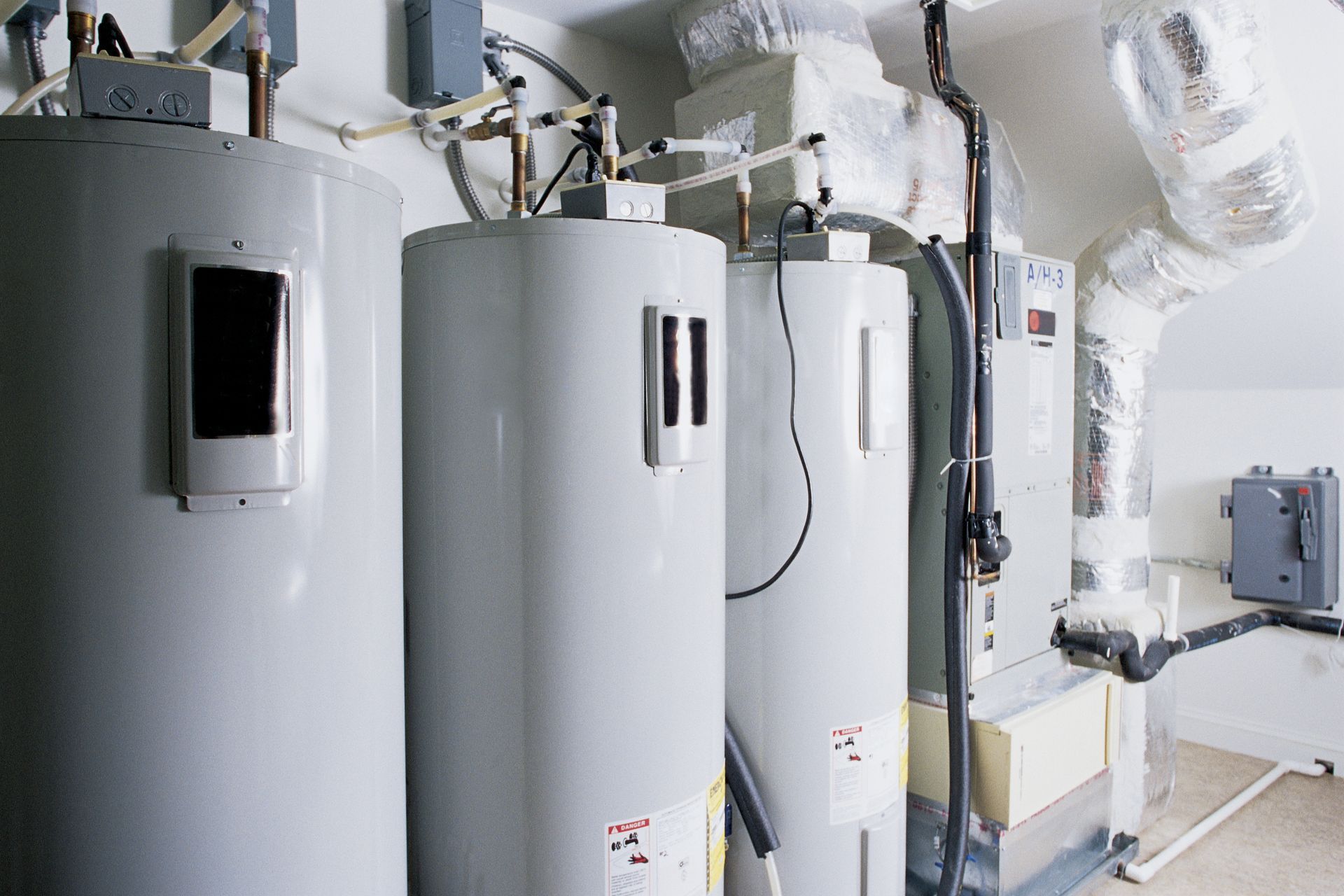
To truly appreciate hot water on demand, you must understand the anatomy of a conventional tank-style heater. The traditional model remains the most common household system, consisting of crucial components working perfectly together. First is the tank itself, which typically holds 30 to 80 gallons, from our experience, and is surrounded by thick insulation to retain heat. Inside, cold water enters through the dip tube, a pipe directing flow straight to the bottom where the primary heating mechanism sits. This ensures cold water does not immediately mix with hot water at the top.
Gas heaters use a burner beneath the tank, controlled by a sensitive thermostat. Electric models utilize heating elements protruding directly into the water. Another unsung hero is the sacrificial anode rod. Made of magnesium or aluminum, this rod attracts corrosive elements, rusting away so your steel tank does not have to. Experienced plumbers emphasize that replacing this rod prevents premature tank failure. Finally, the temperature and pressure relief (TPR) valve acts as a vital safety feature, releasing water if internal pressure climbs dangerously high.
The Mechanics of the Heating Process
When you turn on the hot tap, hot water is immediately drawn from the top of the tank and travels through your home's network of pipes. As this hot water leaves the system, cold water simultaneously enters the bottom via the dip tube to replace it. This influx lowers the tank's overall core temperature. The internal thermostat senses this drop and triggers the heating mechanism.
In a gas heater, a valve opens to release gas to the burner to warm the bottom of the tank. In an electric model, electricity flows directly into the submerged elements. As cold water absorbs this heat, it becomes less dense and naturally rises to the top. This continuous convection process ensures the hottest water is always ready near the outlet pipe. Once the water reaches the preset temperature, which we recommend should be around 120 degrees Fahrenheit to prevent scalding, the heating mechanism shuts off. The exterior insulation then minimizes standby heat loss. It is a highly effective cycle operating continuously behind the scenes.
The Importance of Daily Hot Water
It is easy to take hot water for granted, but your water heater plays an irreplaceable role in your quality of life, hygiene, and household safety. The most obvious benefit is physical comfort. Whether taking a soothing bath or enjoying a hot morning shower, the comfort provided is undeniable. Beyond comfort, your water heater rigorously defends your family's sanitation. Your dishwasher relies on high temperatures to sanitize dishes and eliminate bacteria. Likewise, your washing machine utilizes hot water to break down stubborn grease and kill dust mites hidden deep within your clothing.
Furthermore, a well-maintained water heater significantly contributes to your home's energy efficiency. An old, struggling unit works twice as hard, driving up monthly utility bills. When evaluating property, professional inspectors always check the condition of this appliance. By having trusted plumbers maintain your system, you protect a vital investment that impacts both daily comfort and long-term property worth.
The Lifespan of Your Standard Unit
Like all hard-working appliances, your water heater will not last forever. Even with top-tier engineering, constant exposure to high heat and corrosive water eventually takes a toll on its structural integrity. According to Home Inspection Insider, the typical lifespan of a standard water heater ranges from eight to 12 years. If your unit is approaching this age bracket, start planning for a replacement before a sudden failure causes extensive water damage to your property.
Several external factors heavily influence how long your specific unit will survive. Homes with hard water (when the water supply contains high concentrations of dissolved minerals like calcium and magnesium) often see a drastically reduced lifespan. Over time, these harsh minerals build up as a thick layer of sediment at the bottom of the tank. This creates an insulating barrier forcing the system to overheat and eventually crack the interior lining. Our specialized plumbers frequently observe that unmitigated hard water damage is the leading cause of early system failure.
The Benefits of Preventative Maintenance
You can combat wear and tear, extend the life of your appliance, and improve efficiency through routine preventative maintenance. While you can handle minor tasks yourself, certain jobs are always best left to licensed professionals. Flushing the tank annually is a crucial maintenance step. By emptying a few gallons from the drain valve, you remove harmful sediment buildup that compromises heating efficiency and damages the tank lining.
Additionally, checking the sacrificial anode rod is vital. Once this rod is completely depleted, corrosive elements immediately attack the steel tank walls, causing irreversible rust. Qualified plumbers have the expertise to safely inspect and replace this rod, adding valuable years to your water heater's life. It is also extremely important to periodically test the temperature and pressure relief valve. Lifting the lever slightly should release a short burst of hot water into the overflow tube. If nothing happens, it needs immediate professional replacement to prevent dangerously high internal pressure.
The Warning Signs of System Failure
Even with the most diligent maintenance schedule, the internal components of your water heater will eventually wear out. Knowing the early warning signs can save you from waking up to a flooded basement. One major red flag is a total lack of hot water or water taking far too long to heat up. If your morning showers turn cold much faster than they used to, it strongly indicates that your heating elements are failing or dense sediment has overtaken the bottom of the tank.
Strange noises are another highly concerning sign. If you hear loud popping or rumbling sounds, it is likely water boiling underneath a hardened layer of sediment, heavily straining the metal tank. Discolored water is also a major warning. If the hot water flowing from your faucets looks rusty or brown, your tank is likely rusting away. In this scenario, immediately reach out to professional plumbers for an expert inspection before the rust causes a catastrophic burst inside your home.
We understand that a broken water heater is a major disruption, which is why we prioritize fast response times and transparent pricing. If your system is running inefficiently or showing clear signs of failure, now is the perfect time to upgrade. When you need dependable plumbers to restore your home's comfort and ensure your family's safety, look no further than our dedicated team. Contact Toni's Plumbing Service, Inc today to schedule your free estimate.