November 27, 2026
Understanding the importance of annual plumbing inspections and their role in preventing potential disasters is crucial for every homeowner. Good plumbers recommend these routine checkups because proactive maintenance is the single best way to extend the lifespan and safety of your home's water systems. Plumbing plays an essential role in delivering clean water and reliable sanitation, and neglecting it can quickly lead to costly structural damage. By exploring how residential systems work, what warning signs to watch for, and how annual evaluations protect your property, you can avoid emergency repairs and keep your household running smoothly.
Understanding Residential Plumbing Systems
Identifying Core System Components
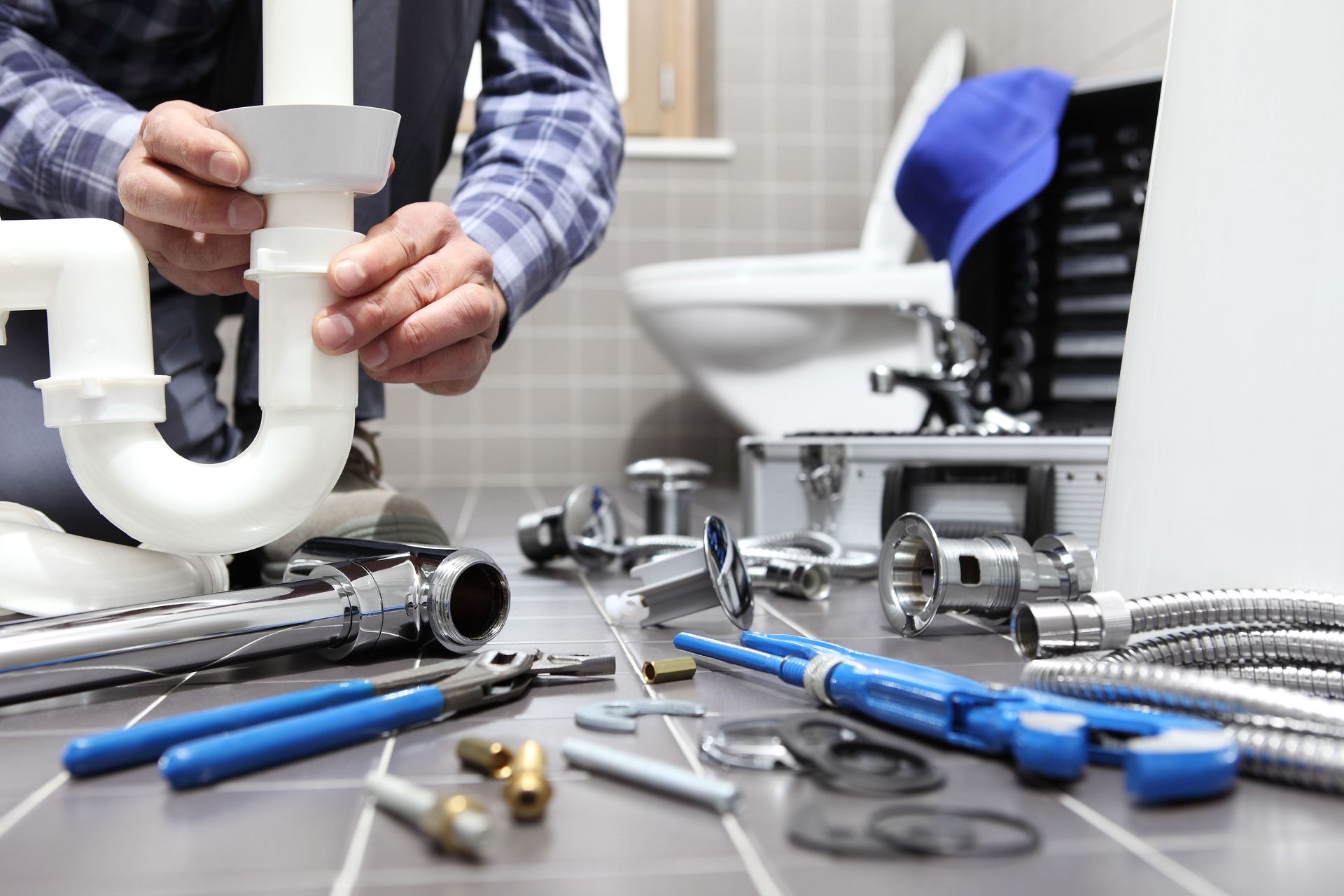
Residential plumbing systems are intricate networks engineered to supply fresh water and remove wastewater efficiently. At the core are supply and drain pipes—typically made from copper, PVC, or PEX—which transport water throughout the house. Fixtures like sinks, toilets, and bathtubs connect to these lines, while mechanical fittings and shut-off valves control water flow and pressure. Understanding how these components age and interact helps homeowners recognize potential weak points before minor wear escalates into hidden leaks.
Recognizing the significance of these components also guides smarter decisions when planning plumbing upgrades. Even simple updates, such as replacing outdated toilets, can dramatically reduce household water consumption. According to the U.S. Environmental Protection Agency, certain models can save the average family up to 13,000 gallons of water per year, demonstrating how small fixture improvements support both your wallet and water conservation.
Recognizing Common Inspection Findings
Routine evaluations frequently uncover hidden vulnerabilities that would otherwise cause severe property damage. Slow leaks inside walls or under cabinets often go unnoticed until they trigger mold growth, wood rot, and spiked utility bills. Partial clogs in sinks, showers, or main sewer lines can obstruct drainage and eventually cause messy backups.
Water pressure imbalances—whether low pressure from pipe obstructions or high pressure from failing regulators—also place continuous stress on joints and appliances.
Inspections also catch mineral and sediment buildup inside water heaters and storage tanks. Over time, hard water deposits reduce heating efficiency, drive up energy bills, and shorten appliance lifespans. Resolving these issues early restores optimal water flow and keeps household systems operating efficiently.
Monitoring System Aging and Wear
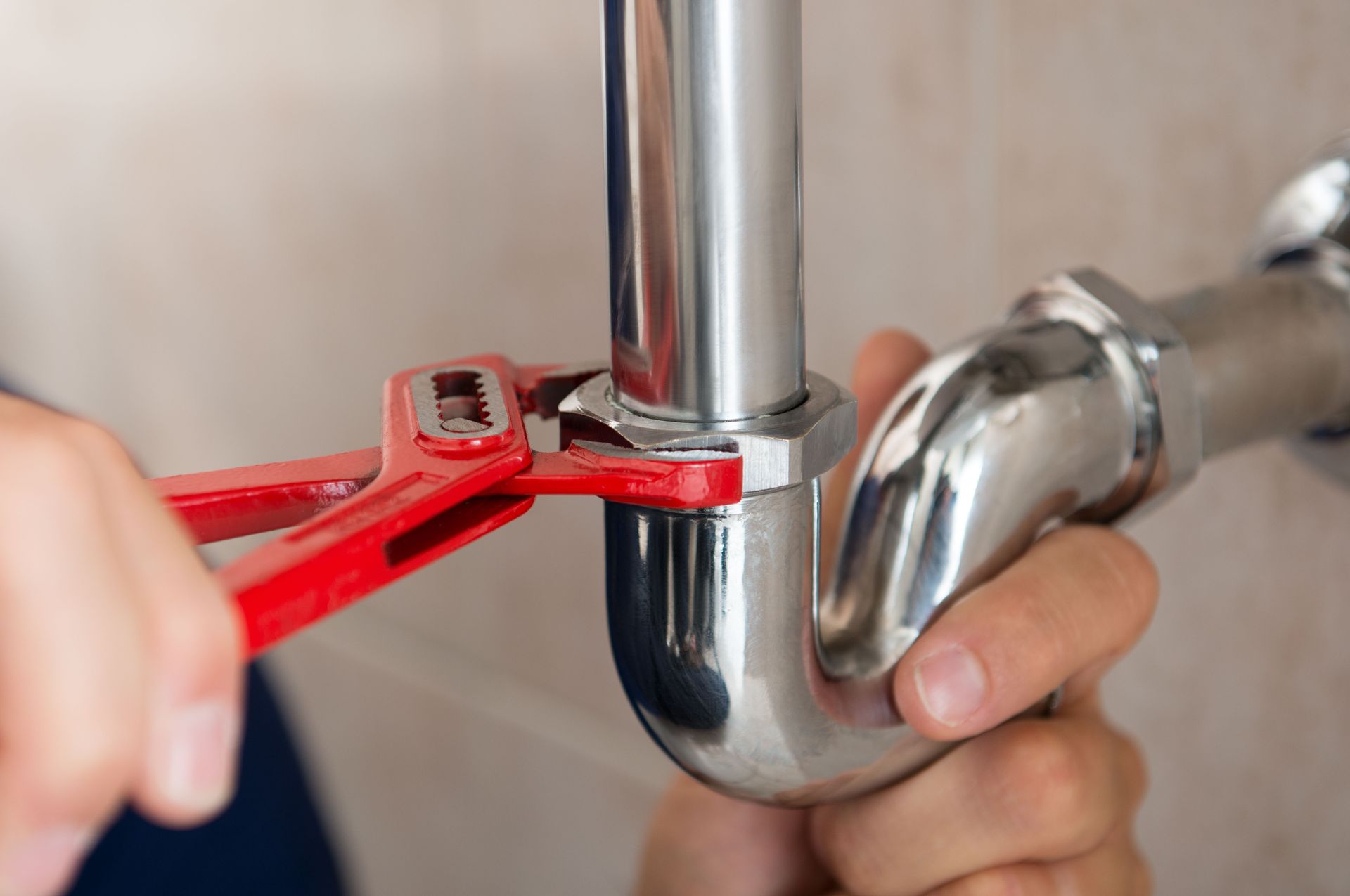
Every plumbing network experiences natural wear and tear influenced by water quality, household usage, and pipe material. While copper and PEX offer strong longevity, older homes with galvanized steel piping are highly susceptible to internal corrosion and restricted flow. Aging rubber washers, seals, and valve fittings also degrade over time, increasing the risk of sudden bursts. Furthermore, older systems often struggle to keep pace with modern high-demand appliances and may fall short of current safety codes.
Spotting Early Warning Signs
Catching warning signs between annual visits can save homeowners from major water damage. You should schedule an evaluation immediately if you notice any of the following red flags:
Unusual sounds such as banging, whistling, or hissing inside walls often point to water hammer, trapped air, or hidden pipe leaks. Discolored brown or yellow tap water typically signals pipe corrosion or heavy sediment inside your water heater. Persistent damp odors, unexplained spikes in your monthly water bill, slow-draining fixtures, and visible mildew near baseboards or foundations all warrant prompt professional investigation.
Executing Proactive Annual Inspections
Performing Comprehensive System Evaluations
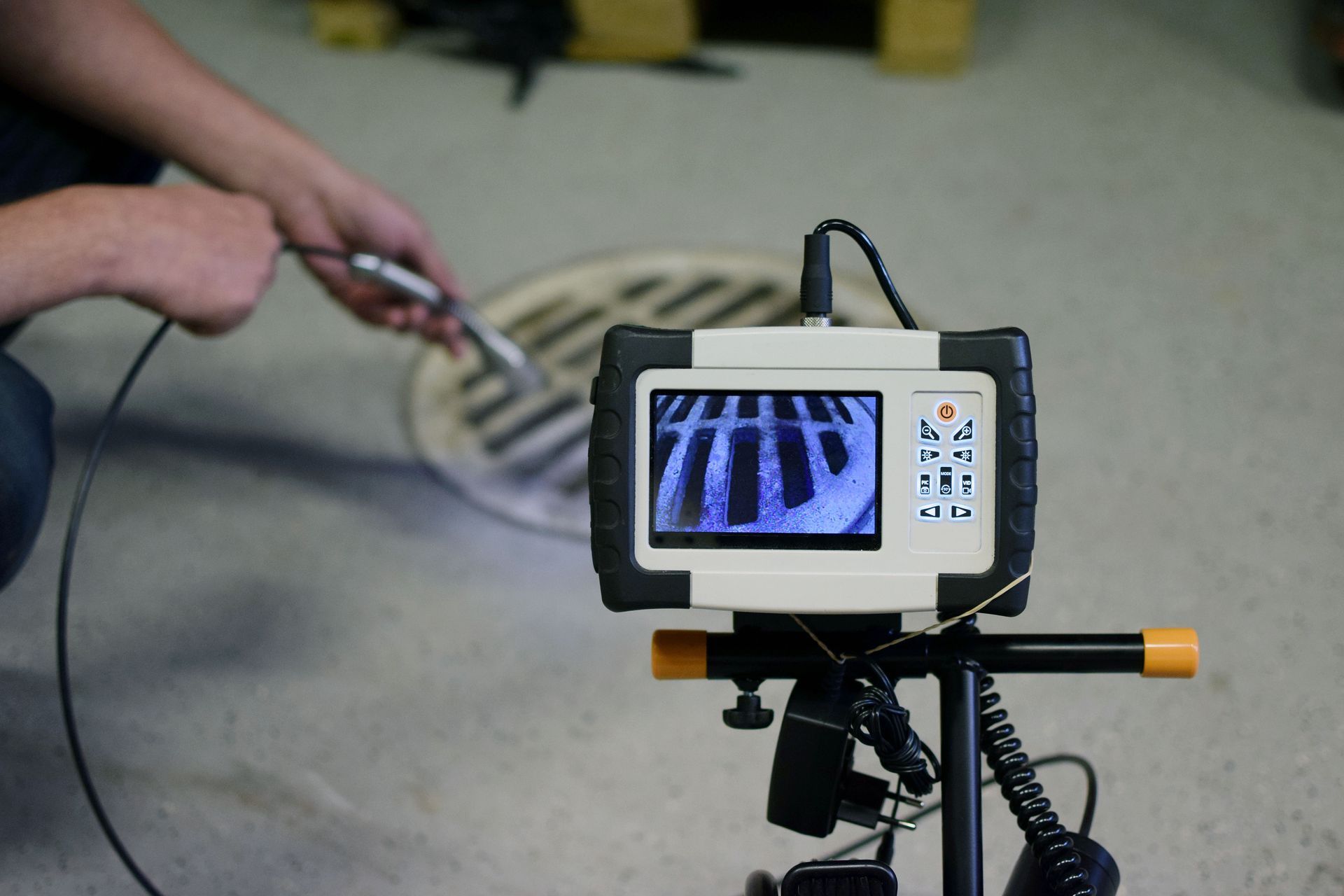
During an annual inspection, licensed plumbers evaluate every accessible part of your indoor and outdoor water infrastructure. Using diagnostic tools such as pressure gauges, infrared thermal cameras, and moisture meters, experienced plumbers detect hidden leaks behind drywall and beneath flooring without invasive demolition. They test water heater temperature and pressure relief valves, check sump pump operation, inspect exposed supply lines for corrosion, and verify proper drainage across all fixtures.
Following the walkthrough, qualified plumbers provide a clear diagnostic report detailing current system conditions alongside prioritized recommendations. This structured evaluation helps homeowners address minor wear on their own terms rather than scrambling during a middle-of-the-night emergency.
Maximizing Long-Term Economic Savings
Investing in yearly checkups delivers substantial financial returns by preventing catastrophic failures like burst pipes or raw sewage backups. Fixing a worn valve or minor joint leak costs a fraction of emergency water extraction, drywall replacement, and mold remediation. Consistent maintenance also stabilizes monthly utility expenses by eliminating silent water waste and keeping water heaters operating at peak energy efficiency.
Beyond immediate savings, documented maintenance protects your property's resale value. When selling a home, verified inspection records reassure prospective buyers and home inspectors that the infrastructure has been responsibly maintained, preventing last-minute closing delays or repair credits.
Implementing Water Damage Safeguards
Proactive inspections go beyond basic repairs by introducing modern safeguards against accidental flooding. Skilled plumbers can install smart leak-detection sensors and automatic main shut-off valves that immediately cut water flow if a pipe ruptures while you are away from home. Regular testing of backup sump pumps and battery systems also ensures your basement stays dry during severe storms.
Maintaining Local Code Compliance
Municipal plumbing codes exist to protect public health, prevent cross-contamination of drinking water, and ensure structural safety. Over time, local regulations evolve, and older homes frequently fall out of compliance—especially regarding backflow prevention, venting, and water heater strapping. Working with knowledgeable plumbers ensures your system meets current legal standards, preventing fines and simplifying future home renovations or insurance claims.
Reviewing Real-World Inspection Wins
Real-world scenarios highlight how routine checkups prevent costly household disasters. In one typical case, a homeowner noticed a steady climb in their quarterly water bill without any visible drips; a diagnostic moisture scan pinpointed a pinhole leak inside a basement wall before mold could spread. In another instance, a camera inspection of a slow main drain uncovered invasive tree roots breaching a clay sewer pipe, allowing technicians to clear and line the pipe before a full basement backup occurred.
Selecting Qualified Plumbing Professionals
Evaluating Credentials and Experience
Choosing the right technician is just as important as scheduling the inspection itself. Reputable plumbers hold active state or municipal licenses, carry comprehensive liability insurance, and back their workmanship with clear written warranties. Look for established professionals with strong local reviews who invest in modern diagnostic equipment and explain complex findings in plain, straightforward language.
Asking Essential Pre-Hiring Questions
Before booking an appointment, ask prospective providers a few key questions to confirm they are a good fit. Verify their licensing and insurance coverage, ask what specific checkpoints are included in their annual inspection package, and confirm whether they provide upfront, itemized pricing before performing any repair work. Reliable plumbers welcome transparency and give you clear answers without high-pressure sales tactics.
Annual plumbing inspections are a simple, cost-effective habit that protects your home from unexpected water damage and expensive emergency repairs. By partnering with trusted plumbers to evaluate pipes, fixtures, water heaters, and drainage lines each year, you catch minor wear early, lower monthly utility bills, and keep your entire system compliant with safety standards. Rather than waiting for a burst pipe or backed-up drain to disrupt your household, scheduling a routine walkthrough puts you firmly in control of your home's maintenance budget. Taking a proactive approach today ensures reliable water access, preserves your property value, and gives you lasting peace of mind year-round. To schedule an appointment with our plumbers, contact the team at Toni's Plumbing Service, Inc today.